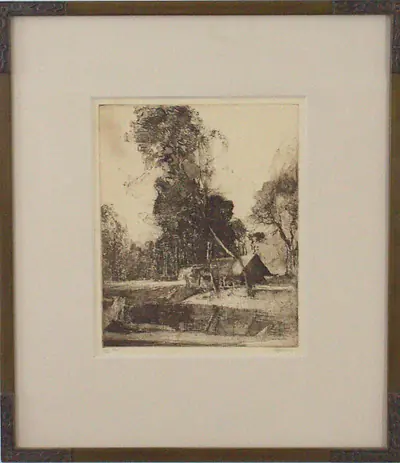
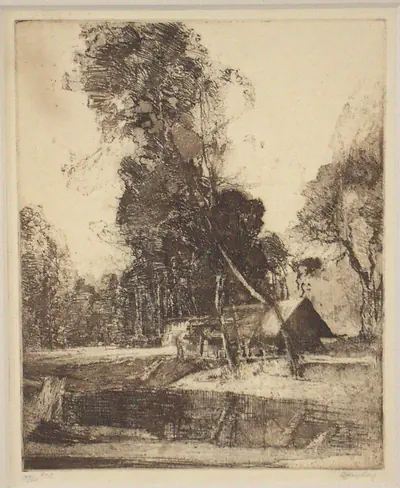
The Camp in the Forest
Sydney Long
The Work
This etching resonates with me because it represents a bridge to Australia's artistic heritage — Sydney Long's work is iconic, celebrated for vision and technique. The subject, a landscape with an old hut, carries a quiet timelessness; its scale and delicacy invite contemplation. It aligns with my love of historical work, careful craftsmanship, and the idea that beauty endures.
- Year
- 1920
- Medium
- Etching on paper
- Edition
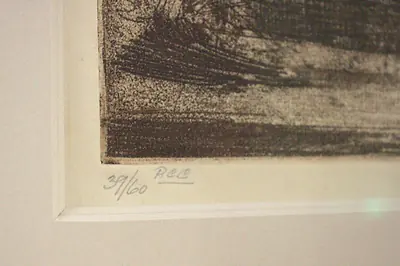
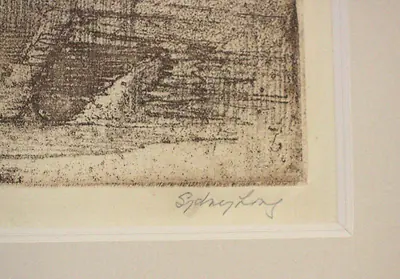
- 39 of 60, signed in pencil by the artist
- Image size
- 270 mm x 330 mm
- Framed size
- 555 mm x 635 mm
- Catalogue
- 0048
Provenance
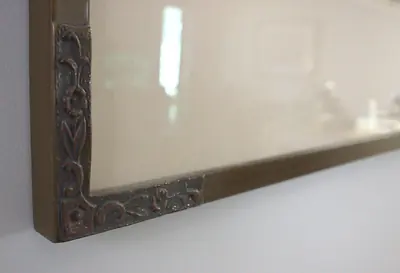
I found this etching on Facebook Marketplace — original, numbered 39/60, and signed by Sydney Long. Once I had it, I commissioned the framing through Rich & Davis in Melbourne.
Another impression of this exact print, The camp in the forest (1920), is held in the collection of the Art Gallery of NSW (accession no. 9861).
Ask about the price, make an offer, or simply ask a question — payment is arranged directly (bank transfer, PayID, or cash).